A
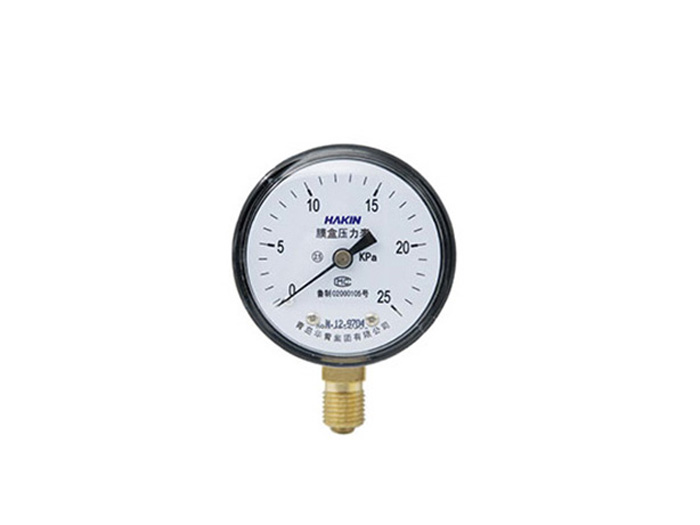
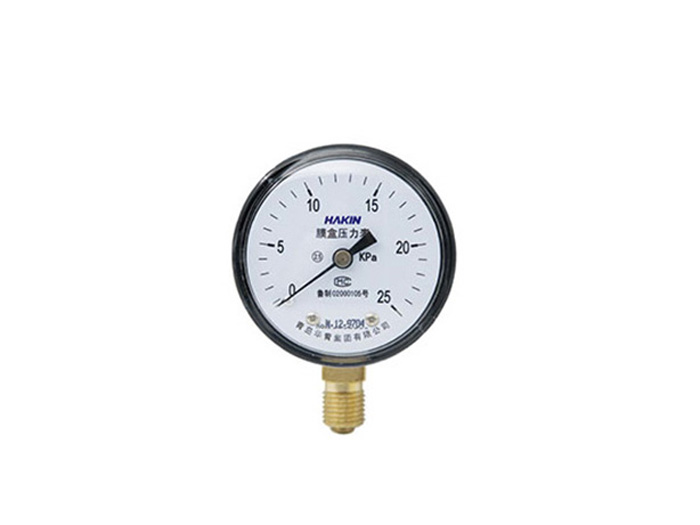
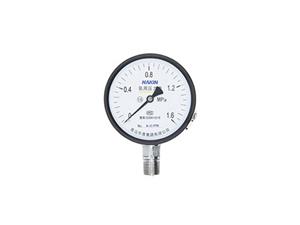
Capsule pressure gauge, also known as a diaphragm
Capsule pressure gauge or micro pressure gauge, is a specialized instrument designed for measuring low-pressure or vacuum conditions in various industrial and commercial applications. This type of pressure gauge is highly valued for its precision, reliability, and adaptability to environments where traditional pressure gauges may not perform optimally.
Design and Functionality
The capsule pressure gauge operates on the principle of elastic deformation. It consists of a thin, circular diaphragm, typically made of metal (such as copper alloy or stainless steel), which is sealed to form a capsule. When pressure is applied to the capsule, the diaphragm deforms, and this deformation is transmitted through a mechanical linkage to a pointer, which indicates the pressure on a calibrated dial. The gauge can measure both positive pressures (above atmospheric) and negative pressures (vacuum), making it versatile for different applications.
Key Features
High Sensitivity: Capsule pressure gauges are designed to detect minute pressure changes, making them ideal for applications requiring precise measurements, such as in HVAC systems, pneumatic controls, and medical devices.
Wide Pressure Range: While primarily used for low-pressure measurements, capsule pressure gauges can be manufactured to cover a range of pressures, typically from a few millibars up to several hundred millibars, and even vacuum conditions down to -1 bar.
Durable Construction: The materials used in the construction of capsule pressure gauges, such as stainless steel cases and corrosion-resistant diaphragms, ensure longevity and reliability in harsh environments.
Customizable Options: These gauges can be customized with different dial sizes, connection types, and mounting options to suit specific application requirements.
Applications
Capsule pressure gauges find applications in a variety of industries, including:
HVAC Systems: Monitoring and controlling air pressure in heating, ventilation, and air conditioning systems.
Pneumatic Controls: Ensuring accurate pressure regulation in pneumatic machinery and automation systems.
Medical Devices: Measuring pressure in respiratory equipment, anesthesia machines, and other medical instruments.
Process Industries: Monitoring pressure in food and beverage processing, pharmaceutical manufacturing, and chemical plants.
Research and Development: Providing precise pressure measurements in laboratory settings.
Advantages
Compact Size: Capsule pressure gauges are typically compact and lightweight, making them easy to install in tight spaces.
Low Maintenance: Their simple design and robust construction require minimal maintenance, reducing downtime and operational costs.
Cost-Effective: Compared to more complex pressure measurement systems,
Capsule pressure gauges offer a cost-effective solution for low-pressure applications.
In conclusion, the capsule
PRESSURE GAUGE is a versatile and reliable instrument for measuring low-pressure and vacuum conditions. Its high sensitivity, durability, and customizable options make it an ideal choice for a wide range of industrial and commercial applications.