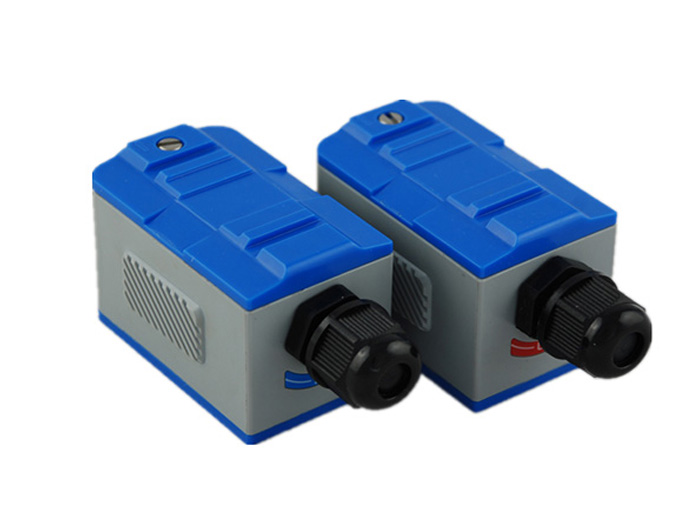
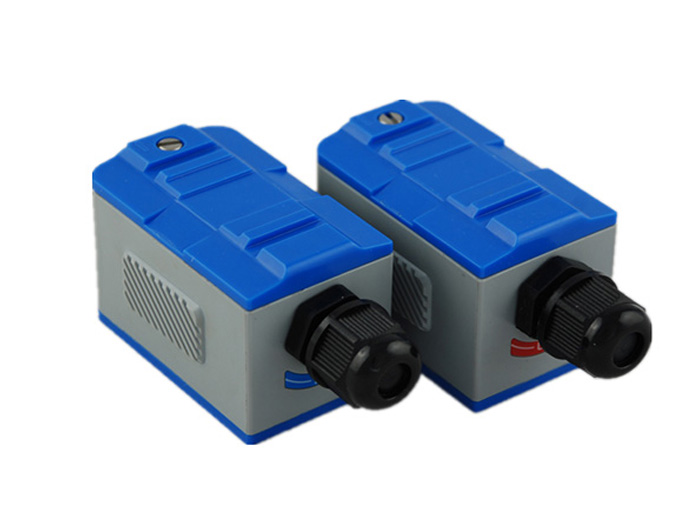
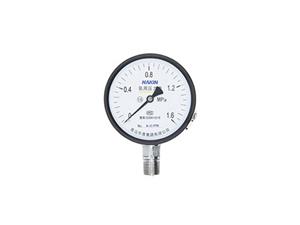
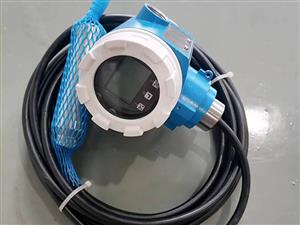
An External clamp sensor is a highly versatile and non - invasive measuring device that has found widespread use across various industries for monitoring and analyzing parameters of fluids flowing through pipes.
Non - Invasive Advantage
One of the most significant features of the
External clamp sensor is its non - invasive design. Unlike traditional sensors that require cutting into the pipe or inserting probes, this sensor simply clamps onto the exterior surface of the pipe. This means there is no need to halt the flow of the fluid or disrupt the pipeline system during installation. It minimizes downtime, reduces installation costs, and eliminates the risk of leaks or contamination that can occur with invasive methods. For example, in a chemical processing plant where stopping the flow could lead to production losses and safety hazards, the external clamp sensor offers a seamless solution.
Wide Range of Applications
It can be used to measure a variety of parameters. In the field of flow measurement, it is commonly employed in ultrasonic flowmeters. By transmitting and receiving ultrasonic signals through the pipe wall, it can accurately calculate the flow rate of liquids such as water, oils, and chemicals. Additionally, it can also be used for temperature monitoring in some cases, where the sensor detects changes in the pipe's surface temperature related to the fluid inside.
Compatibility and Ease of Use
External clamp sensors are compatible with different pipe materials, including metal and certain types of plastic pipes. They come in various sizes to fit different pipe diameters. The installation process is straightforward, requiring only basic tools. Once installed, they are easy to calibrate and maintain. Many models also offer digital displays or can be connected to monitoring systems for real - time data analysis.
In conclusion, the
External clamp sensor is a practical and efficient tool for industries that require non - invasive and accurate measurement of fluid parameters in pipes.