A
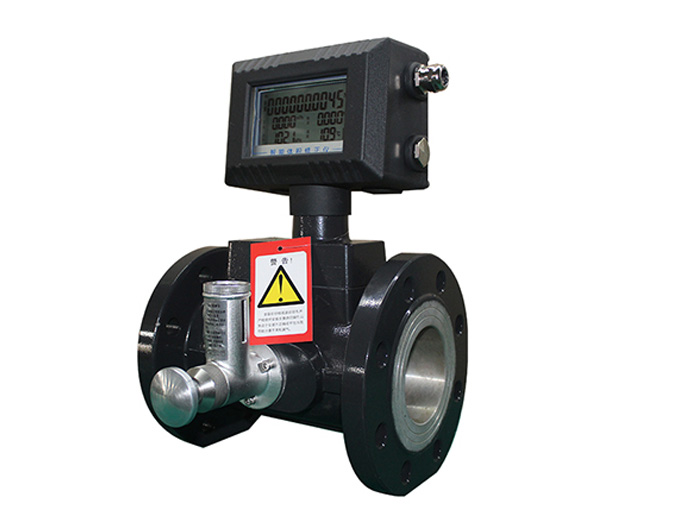
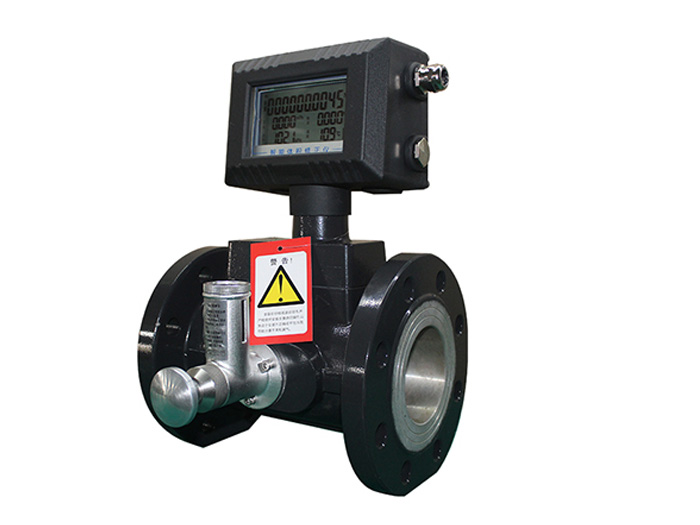
Gas turbine flowmeter is a highly accurate and reliable device designed to measure the flow rate of gases in industrial applications. It operates on the principle of the turbine rotor, where the flowing gas drives a multi-bladed rotor to rotate at a speed proportional to the gas's velocity.
The core component of the
Gas turbine flowmeter is the precision-engineered turbine rotor, which is mounted on a free-running bearing system within the flowmeter's housing. As gas passes through the flowmeter, it imparts a rotational force on the turbine blades, causing the rotor to spin. The rotational speed of the rotor is then detected by a sensor, typically a magnetic pickup or a photoelectric sensor, which converts the mechanical rotation into an electrical signal.
This electrical signal is processed by the flowmeter's electronics to calculate the gas flow rate. The gas turbine flowmeter offers several advantages, including high accuracy, wide rangeability, and fast response time. It can measure flow rates over a broad spectrum, from very low to high velocities, making it suitable for various industrial processes.
Furthermore, gas turbine flowmeters are known for their durability and low maintenance requirements. Their robust construction and high-quality materials ensure long service life even in harsh operating environments. Additionally, many modern gas turbine flowmeters are equipped with advanced features such as digital displays, data logging capabilities, and communication interfaces, facilitating easy integration into industrial automation systems.
In summary, the
Gas turbine flowmeter is a versatile and efficient tool for gas flow measurement. Its precision, reliability, and advanced features make it an ideal choice for industries requiring accurate and real-time monitoring of gas flow rates.