A
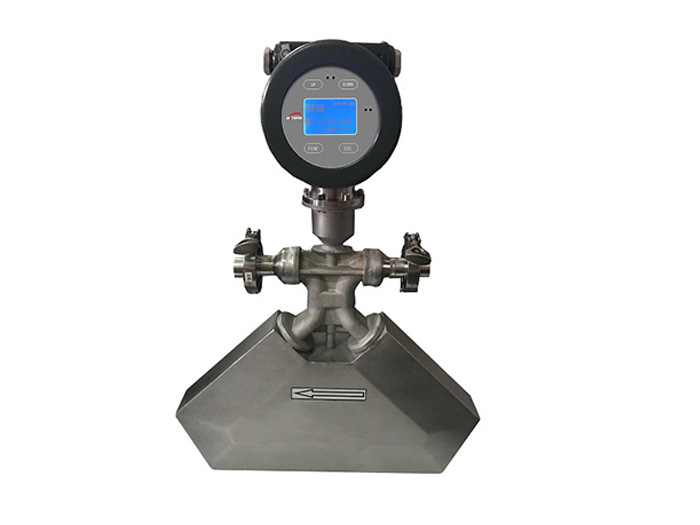
Mass flowmeter is a sophisticated instrument designed to accurately measure the mass flow rate of fluids, which can be either liquids or gases. Unlike traditional volumetric flowmeters that measure the volume of fluid passing through a point per unit time,
Mass flowmeters directly quantify the mass of the fluid, providing a more precise and reliable measurement.
One of the key advantages of mass flowmeters is their independence from fluid properties such as density, temperature, and pressure. This means that regardless of changes in these parameters, the mass flowmeter will consistently deliver accurate readings. This characteristic makes mass flowmeters particularly valuable in industries where precise control of fluid mass is critical, such as in chemical processing, pharmaceutical manufacturing, and food and beverage production.
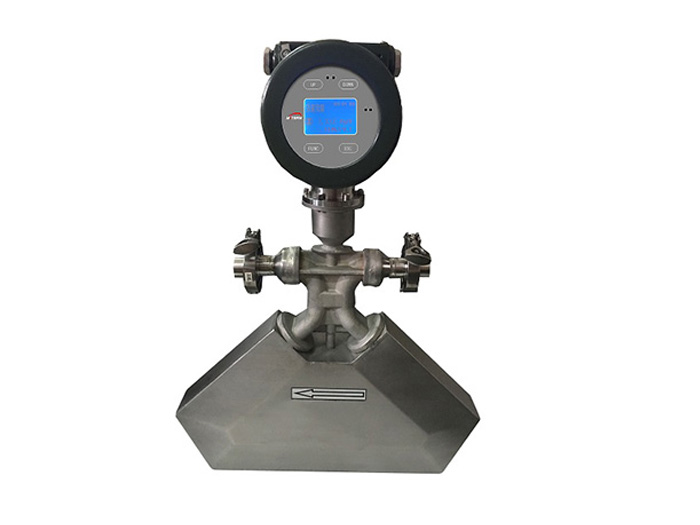
Mass flowmeters operate on various principles, including Coriolis, thermal, and differential pressure. Among these, Coriolis mass flowmeters are the most widely used due to their high accuracy, wide rangeability, and ability to measure both mass flow and density simultaneously. Thermal mass flowmeters, on the other hand, are often employed for gas flow measurement, leveraging the heat transfer properties of gases to determine mass flow rate.
In addition to their accuracy and versatility, mass flowmeters also offer ease of installation and maintenance. Many modern mass flowmeters are designed with user-friendly interfaces and advanced diagnostics, enabling quick setup and troubleshooting. This, combined with their long service life and low operating costs, makes mass flowmeters a cost-effective solution for many industrial applications. Overall,
Mass flowmeters play a crucial role in ensuring process efficiency, product quality, and safety in various industries.