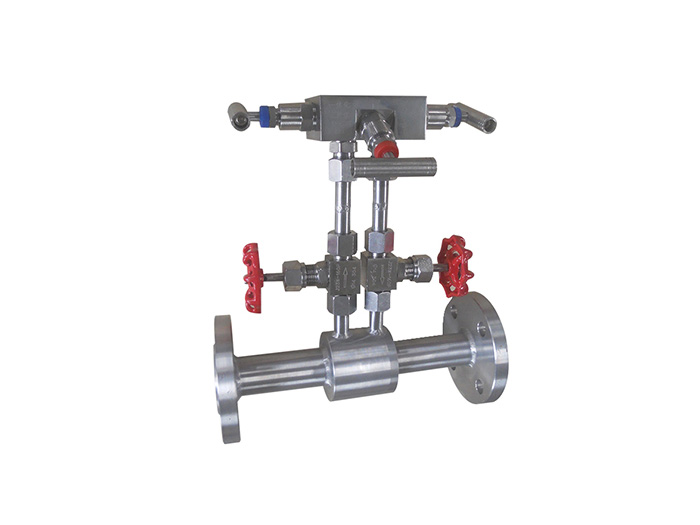
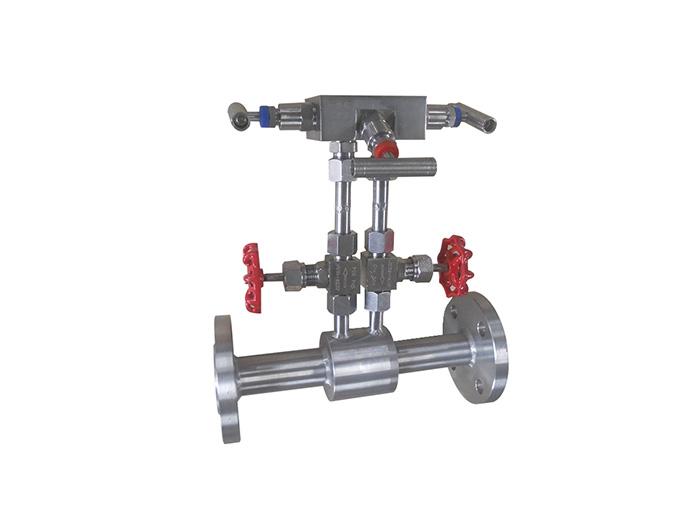
An
orifice meter is a widely used differential pressure flowmeter in industrial applications for measuring the flow rate of fluids, including liquids, gases, and vapors. It operates based on the principle that when a fluid flows through a constriction, such as an orifice plate, there is a pressure drop across the plate. This pressure differential is directly related to the flow rate of the fluid.
The core component of an
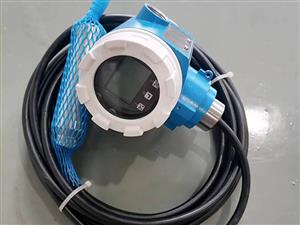
orifice meter is the orifice plate, which is a thin plate with a precisely machined hole in the center. It is installed between two flanges in a pipeline, creating a restriction in the flow path. As the fluid approaches the orifice, its velocity increases, and the pressure decreases according to Bernoulli's principle. The pressure difference between the upstream and downstream sides of the orifice plate is measured using pressure taps and a differential pressure transmitter.
One of the significant advantages of an orifice meter is its simplicity and low cost compared to other flow measurement devices. It has no moving parts, which reduces maintenance requirements and increases reliability. Additionally, orifice meters are suitable for a wide range of pipe sizes and can handle high-pressure and high-temperature applications.
However, orifice meters also have some limitations. They are sensitive to changes in fluid properties, such as density and viscosity, which can affect the accuracy of the flow measurement. Straight pipe runs are required upstream and downstream of the orifice plate to ensure fully developed flow and accurate readings. Moreover, the pressure drop across the orifice plate can result in energy losses in the system. Despite these limitations,
orifice meters remain a popular choice for flow measurement in many industries due to their proven performance and cost-effectiveness.