A
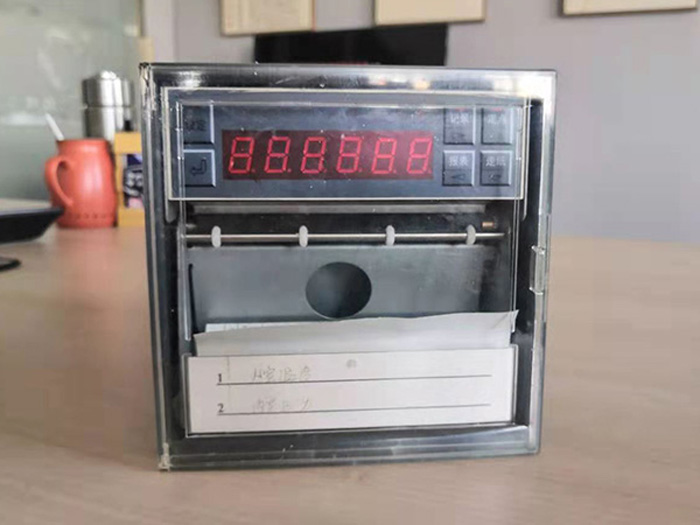
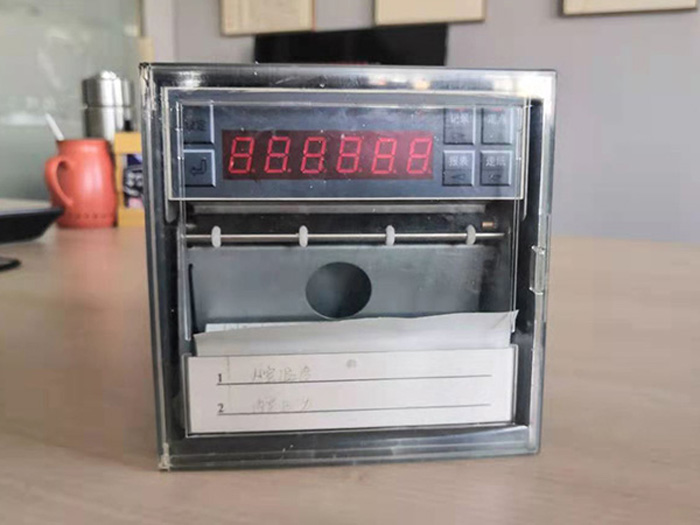
Paper recorder, also known as a chart recorder or strip-chart recorder, is a mechanical or electromechanical device that captures and displays real-time process data by printing or drawing trends onto a moving paper chart. Once ubiquitous in industrial settings, it provides a tangible, permanent record of variables such as temperature, pressure, humidity, or flow rate, offering a straightforward method for monitoring and analyzing process behavior over time.
Core Functionality and Operation
Paper recorders operate by connecting to sensors or transducers that convert physical measurements (e.g., voltage, resistance, or pneumatic signals) into proportional mechanical movements. A pen or marking device, driven by motors or servomechanisms, traces the data onto a rotating paper roll or a flat chart. The paper advances at a constant speed, creating a time-based graphical representation of the process. Some models support multi-channel recording, allowing simultaneous tracking of multiple variables on a single chart using different-colored pens. Alarms or event markers may also be integrated to highlight anomalies or critical thresholds.
Key Features and Applications
Simplicity and Reliability:
Paper recorders require minimal training and operate without complex software, making them ideal for environments with limited digital infrastructure or strict regulatory requirements for physical documentation (e.g., nuclear power plants, legacy pharmaceutical facilities).
Long-Term Data Retention:
Charts provide a visual, non-erasable record that can be archived for years, aiding in audits, troubleshooting, or historical trend analysis.
Cost-Effectiveness:
Low initial investment and no recurring costs for data storage or software licenses make them attractive for budget-conscious operations.
Industrial Applications:
Commonly used in HVAC systems, environmental monitoring, and batch manufacturing processes where continuous documentation is critical.
Limitations and Transition to Digital Alternatives
Despite their advantages, paper recorders have drawbacks: limited data resolution, susceptibility to paper jams or ink fading, and challenges in data extraction for further analysis. Modern industries increasingly favor paperless recorders or data acquisition systems (DAQ) for their digital storage, remote accessibility, and advanced analytics capabilities. However, paper recorders remain relevant in niche applications where simplicity, tamper-proof records, or independence from cybersecurity risks are prioritized.
In summary, while digital technologies reshape industrial data management, the
Paper recorder endures as a trusted, low-tech solution for scenarios demanding straightforward, permanent documentation.