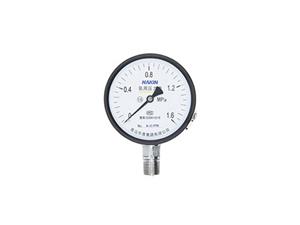
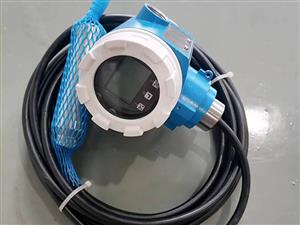
A
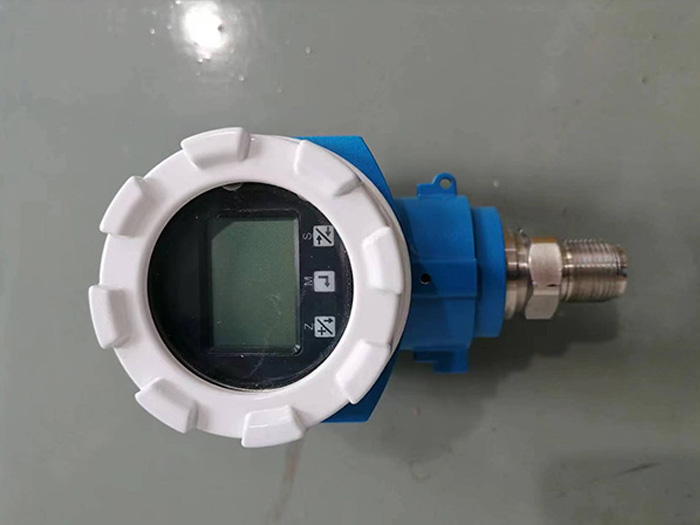
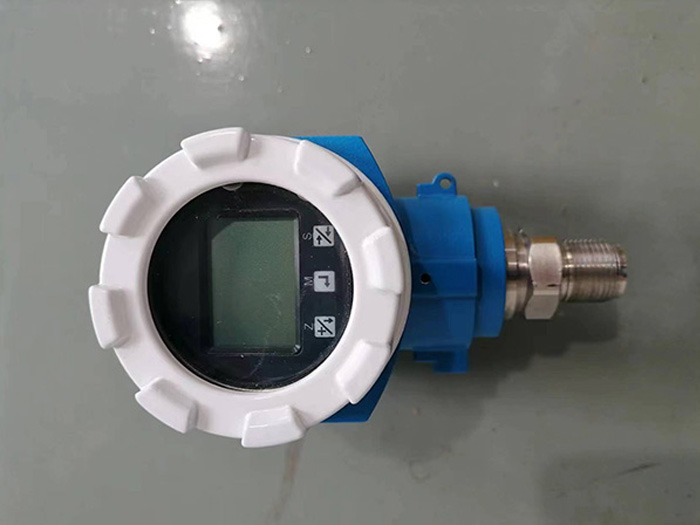
pressure transmitter is a sophisticated device designed to measure and convert pressure into an electrical signal, enabling precise monitoring and control in industrial processes. Widely used across sectors such as oil and gas, chemical manufacturing, pharmaceuticals, and power generation,
pressure transmitters play a pivotal role in ensuring operational efficiency, safety, and product quality.
Working Principle
At its core, a pressure transmitter consists of a pressure-sensing element—commonly a diaphragm, piezoelectric crystal, or strain gauge—that deforms under applied pressure. This mechanical deformation generates an electrical signal, typically proportional to the pressure magnitude. Advanced signal conditioning circuits then amplify, filter, and linearize this signal, converting it into standardized outputs like 4-20 mA, 0–10 V, or digital protocols such as HART, FOUNDATION Fieldbus, or PROFIBUS. This output is transmitted to control systems, displays, or data acquisition units for real-time analysis.
Key Features
High Accuracy and Reliability: Modern pressure transmitters offer accuracy within ±0.05% to ±0.1% of the full-scale range, ensuring dependable measurements even in demanding environments.
Versatility: Capable of measuring gauge, absolute, or
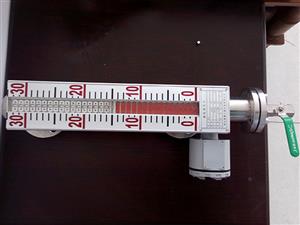
DIFFERENTIAL PRESSURE, they adapt to diverse applications, from level detection in tanks to flow rate calculations.
Robust Construction: Built with corrosion-resistant materials (e.g., stainless steel, Hastelloy) and hermetically sealed enclosures, they withstand extreme temperatures, vibrations, and hazardous conditions.
Advanced Diagnostics: Integrated self-checking features detect sensor failures, calibration drift, or environmental anomalies, enabling proactive maintenance.
Customization: Options for remote seals, local displays, and explosion-proof certifications cater to specific industrial needs.
Applications
Pressure transmitters monitor boiler pressures in power plants, ensure pipeline integrity in oil refineries, regulate HVAC systems, and optimize chemical reactor conditions. Their role in safety-critical processes, such as overpressure protection in nuclear facilities, underscores their indispensability.
In summary,
pressure transmitters combine precision, durability, and connectivity to deliver actionable insights, driving smarter, safer, and more efficient industrial operations.