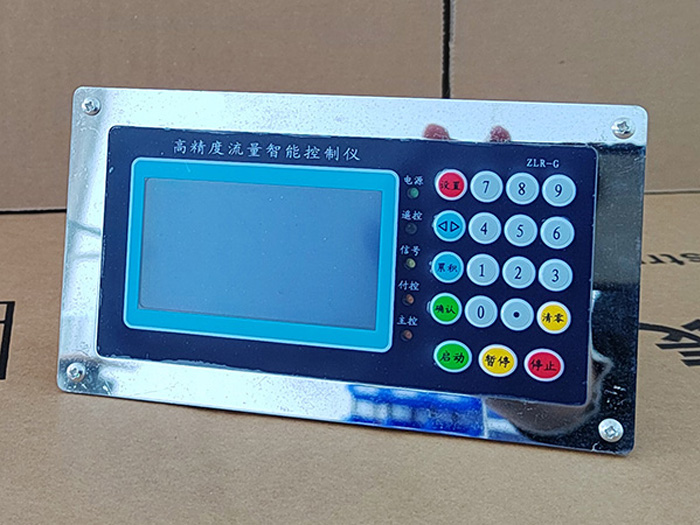
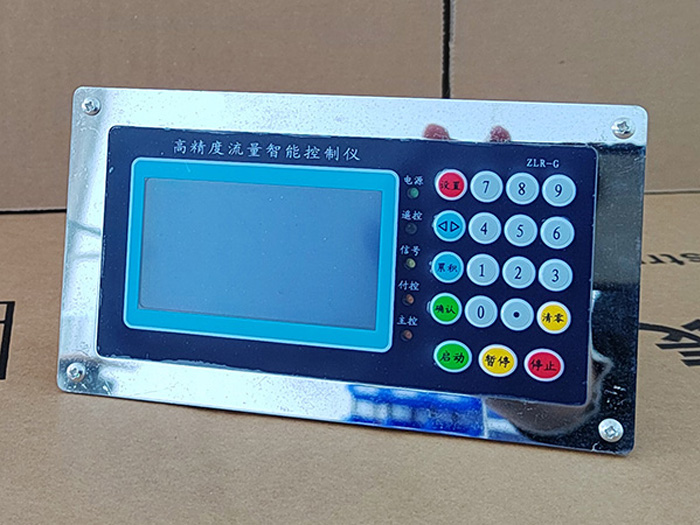
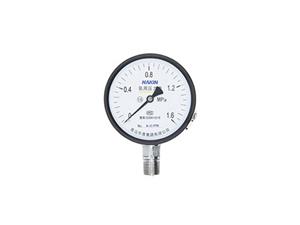
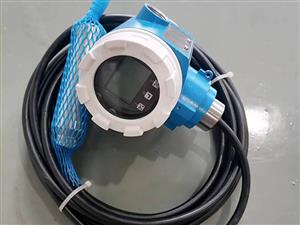
A Quantitative control instrument is a specialized device designed to regulate the precise measurement, monitoring, and adjustment of material or energy flow in industrial processes. Unlike general-purpose controllers, it focuses on maintaining exact quantities—whether volume, mass, or concentration—to ensure consistency, efficiency, and compliance with production standards. By integrating advanced sensors, actuators, and algorithms, these instruments play a pivotal role in sectors such as chemical manufacturing, food processing, and pharmaceuticals, where even minor deviations can compromise product quality or safety.
Core Functionalities and Technologies
Quantitative control instruments leverage real-time data acquisition to dynamically adjust process variables. For instance, in batch processing, they may use load cells to weigh ingredients or flow meters to dispense liquids with sub-milliliter accuracy. Modern systems incorporate PID (Proportional-Integral-Derivative) controllers for proportional adjustments, predictive algorithms to anticipate demand fluctuations, and closed-loop feedback mechanisms to minimize errors. Additionally, IoT-enabled models support remote calibration and diagnostics, reducing downtime. Key features include high-speed sampling rates, multi-parameter synchronization, and compliance with industry standards (e.g., FDA 21 CFR Part 11 for traceability).
Applications and Industry Impact
In chemical plants, quantitative control instruments manage catalyst dosing to optimize reaction yields while minimizing waste. Breweries rely on them to maintain consistent alcohol content by precisely controlling fermentation temperatures and ingredient ratios. Pharmaceutical companies use these tools to automate API (active pharmaceutical ingredient) blending, ensuring batch-to-batch uniformity. Beyond quality control, they enhance sustainability by reducing material overuse and energy consumption. As industries adopt smart manufacturing, quantitative control instruments will evolve with AI-driven self-optimizing systems, further bridging the gap between precision and productivity.
This trifecta of accuracy, adaptability, and efficiency positions
Quantitative control instruments as indispensable tools for modern industrial ecosystems.