A
Wedge Flow meter is a specialized type of differential pressure flowmeter designed to accurately measure the flow rate of fluids, particularly those with high viscosity, low Reynolds numbers, or containing solids and entrained gases. Unlike traditional flowmeters that may struggle with such challenging fluid conditions, the
Wedge Flow meter excels due to its unique design and operational principles.
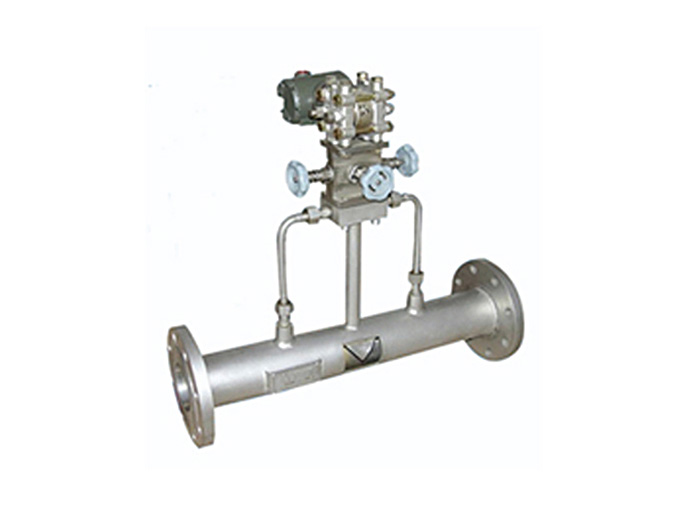
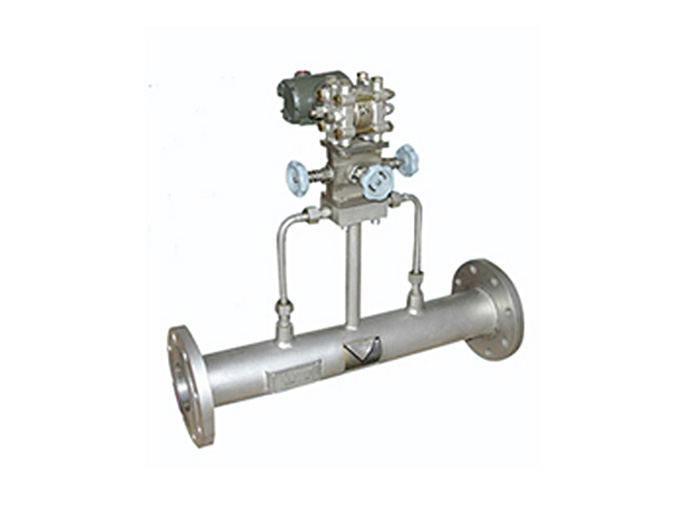
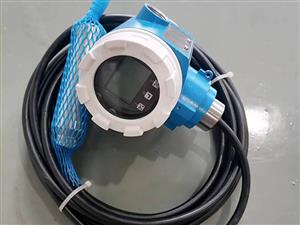
The key component of a Wedge Flow Meter is the wedge-shaped restriction placed within the pipeline. This wedge creates a predictable pressure drop as the fluid flows past it. The pressure difference between the upstream and downstream sides of the wedge is measured using pressure taps connected to a differential pressure transmitter. This pressure drop is then correlated to the flow rate of the fluid using established calibration curves or equations.
One of the primary advantages of the Wedge Flow Meter is its ability to handle viscous and non-Newtonian fluids effectively. The wedge's shape minimizes the effects of fluid viscosity on the flow measurement, providing accurate readings even in applications where other flowmeters may fail. Additionally, the Wedge Flow Meter is less prone to clogging or erosion compared to orifice plates or Venturi tubes, making it suitable for fluids containing solids or abrasive particles.
Furthermore, the Wedge Flow Meter offers a relatively low pressure drop across the wedge, which helps to conserve energy in the system. Its simple and robust design also contributes to its reliability and ease of maintenance. Overall, the
Wedge Flow meter is a versatile and reliable flow measurement solution for industries dealing with challenging fluid conditions, such as oil and gas, chemical processing, and wastewater treatment.