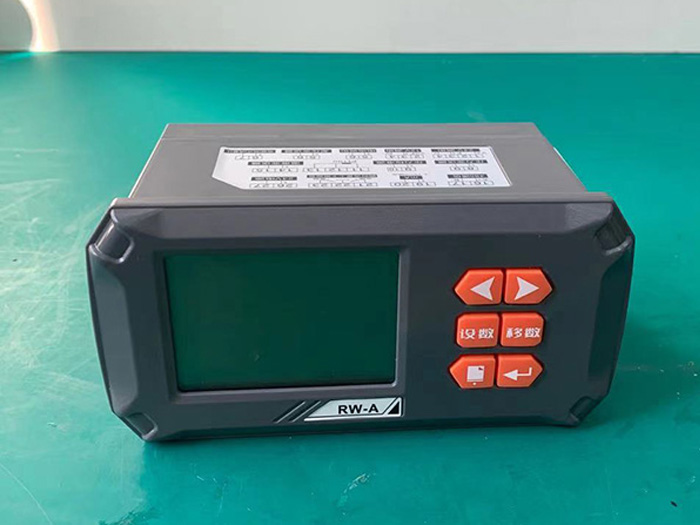
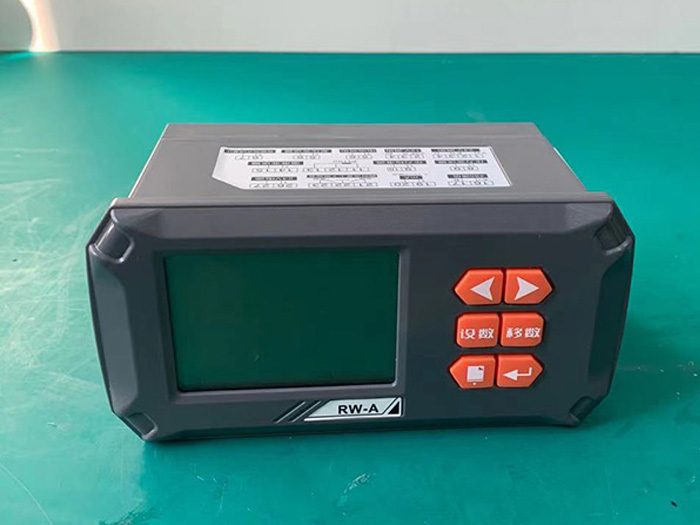
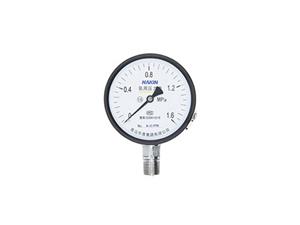
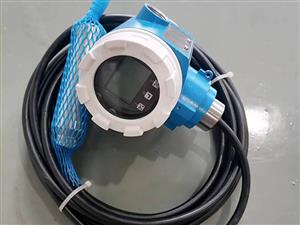
A Flow totalizer is an essential device used in industrial processes to measure, accumulate, and display the total volume or mass of a fluid passing through a pipeline or conduit over time. By integrating instantaneous flow rate data, it provides critical insights for inventory management, process optimization, and regulatory compliance.
Core Functionality
Flow totalizers operate by receiving flow rate signals from sensors such as turbine meters, electromagnetic flowmeters, or Coriolis meters. These signals, typically in analog (4–20 mA, pulse) or digital (Modbus, HART) formats, are processed to calculate cumulative flow. Unlike flow meters that only display real-time rates, totalizers track cumulative totals, which is vital for billing, batch processing, or resource conservation.
Key Features
High-Precision Accumulation:
Advanced algorithms minimize rounding errors, ensuring accurate long-term totals even for low-flow conditions. Some models offer dual-range resolution (e.g., 0.001 units for small flows, 1 unit for large flows).
Multi-Parameter Display:
Modern totalizers simultaneously show instantaneous flow rate, cumulative total, and batch count. Touchscreen interfaces enable easy configuration of units (liters, gallons, tons) and scaling factors.
Data Logging & Communication:
Built-in memory stores historical data, while protocols like Ethernet/IP or wireless connectivity facilitate integration with SCADA systems for remote monitoring.
Batch Control Capabilities:
Programmable preset values allow automated shutdown or alerts when a target volume is reached, streamlining operations in industries like food processing or chemical manufacturing.
Robust Design:
Enclosures rated for hazardous environments (e.g., ATEX, IP67) and wide temperature tolerances ensure reliability in harsh conditions.
Applications
Oil & Gas: Tracking crude oil or natural gas volumes for custody transfer.
Water Management: Monitoring municipal water supply or wastewater discharge.
Chemical Industry: Batching reagents in pharmaceutical production.
HVAC Systems: Measuring chilled water or steam consumption for energy management.
Advancements
Recent innovations include IoT-enabled totalizers with cloud connectivity for predictive maintenance and AI-driven anomaly detection. Some models incorporate non-volatile memory to retain data during power outages.
In conclusion, flow totalizers bridge the gap between real-time flow measurement and long-term process accountability. Their versatility, accuracy, and connectivity make them indispensable tools for industries seeking to optimize resource utilization and meet operational targets. As industries prioritize sustainability and efficiency, the role of
Flow totalizers in data-driven decision-making will only grow.